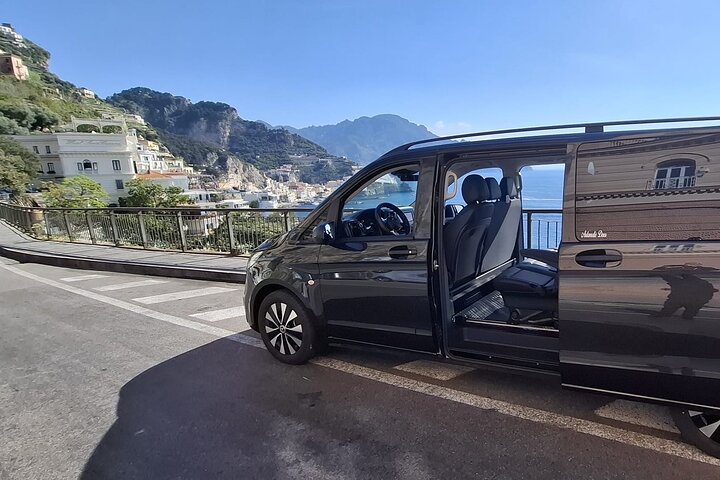
Things to Do in Amalfi Coast
Cliff-edge lemon groves and midnight boat rides, Capri in the distance
Top Things to Do in Amalfi Coast
Find activities and tours you'll actually want to do. Book through our partners -- no booking fees.


Plan Your Trip
Essential guides for timing and budgeting
Climate Guide
Best times to visit based on weather and events
View guide →Day Trips
The best excursions and nearby destinations worth the journey
Explore day trips →Where to Stay
Best neighbourhoods, hotel picks, and booking tips
Find hotels →Travel Insurance
What's required, what coverage matters, and how to get a quote
Read guide →What to Pack
Climate-specific gear, essentials, and what to leave at home
See packing list →When Should You Visit Amalfi Coast?
Tap a month for weather, crowds, and highlights
View full year-round climate guide →Explore Amalfi Coast


Your Guide to Amalfi Coast
About Amalfi Coast
Amalfi Coast greets you with salt on your lips and the metallic tang of fear as the SITA bus swings around another hairpin, tires inches from a 500-metre drop to the Tyrrhenian Sea. Positano's pastel houses cascade down to Spiaggia Grande like melted gelato. Ravello's Villa Cimbrone hangs gardens over infinity. Amalfi's paper mills still turn cotton rags into thick ivory sheets using water from Valle delle Ferriere's waterfalls.
The real magic starts after the last ferry leaves. Fishermen in Maiori light up beachside braziers for spaghetti alle vongole at surprisingly affordable trattorias. The cliff-side path from Praiano to Furore opens to reveal the fjord where locals leap into the current below. Yes, you'll pay tourist pricing for an espresso facing the Amalfi Duomo's striped facade.
The coast road between Vietri sul Mare and Sorrento backs up for hours each afternoon. Stand on the terrace at Le Sirenuse at sunset. Watch the last light catch Capri's Faraglioni rocks. You'll understand why people mortgage their futures for a week on this stretch of Amalfi Coast.
Travel Tips
Transportation: The SITA bus runs from Sorrento to Salerno every 30 minutes at budget-friendly rates if you buy tickets from the tabaccheria before boarding. Skip the ferry between towns after 4 PM. Day-trippers create hour-long queues at Positano's dock. Renting a scooter in Amalfi town runs mid-range daily. It requires nerves of steel and solid insurance. I've seen three crashes in one afternoon on the road to Ravello. For a small extra fee, the ferries let you hop off at the Grotta dello Smeraldo for the boat tour inside the emerald cave.
Money: Most beach clubs charge mid-range rates for two loungers and an umbrella. The free beach at Atrani (ten minutes past Amalfi) saves you from tourist pricing. Restaurants add 10-15% service charge automatically. You'll see 'coperto' (cover charge) listed on every bill. ATMs are scarce in smaller towns. Withdraw euros at Salerno's Centrale station before heading to the Amalfi Coast. The limoncello shots add up fast. Buy bottles at roadside stands for budget-friendly prices instead of the splurge pricing in town.
Cultural Respect: Church dress codes are strictly enforced. Cover shoulders and knees before entering Amalfi's Duomo or Ravello's cathedral. The 1-4 PM riposo means many shops close. Plan accordingly instead of getting frustrated. When dining, locals linger over meals. Expect two-hour lunches. Wait until you're ready to leave before requesting the bill. The evening passeggiata (stroll) happens from 6-8 PM. Locals dress up and parade along the main streets. Join in rather than rushing past.
Food Safety: Eat the seafood. Seriously. The day's catch arrives at 6 AM in every town. Restaurants along the harbor in Cetara (the anchovy capital) serve it by noon. Skip anything labeled 'tourist menu'. Real spots like Da Gemma in Amalfi serve linguine alle vongole that tastes like the ocean without tourist markup. Gelato should never be piled high in fluffy mountains. Look for flat containers at artisan shops like Pasticceria Pansa in Amalfi, operating since 1830. The espresso at Bar Il Mulino in Praiano beats any splurge-pricing version in Positano.
When to Visit
April through June delivers Amalfi Coast at its best. Temperatures hover around 22-26°C (72-79°F). Hotel rates drop significantly from July peaks. The lemon groves are in fragrant bloom. May specifically offers the Feria di Sant'Andrea in Amalfi town. A massive paper-mâché statue parades through the narrow streets. July-August brings 30°C+ (86°F+) heat.
Hotel prices double from June rates. Ferries run until midnight. Beaches are towel-to-towel by 9 AM. September cools to 25°C (77°F). Dramatic hotel price drops follow Ferragosto (August 15th). Italians return to work. October surprises with 20°C (68°F) days. Empty hiking trails above Ravello. Rain increases dramatically.
November-February drops to 12-15°C (54-59°F). Most beach clubs close. You'll have the Amalfi Coast's coastal paths to yourself. Negotiate hotel rates down by 60%. Pack layers. Restaurants fire up their wood-burning stoves. March struggles with lingering winter storms. The coastal road closes intermittently. Easter week brings candlelit processions through Positano's streets. Photographers dream of this.
Frequently Asked Questions
How Many Days Do You Need to See the Amalfi Coast?
Three to four days gives you time to visit the main towns, Positano, Amalfi, and Ravello, without rushing, plus a day trip to Capri or a hike on the Path of the Gods. If you want to explore quieter villages like Atrani or Furore, or spend time on beaches, plan for five to seven days. Most visitors base themselves in one town and day-trip to others via ferry or bus.
What's the Best Way to Get Around the Amalfi Coast Without a Car?
The SITA Sud buses run along the SS163 coastal road connecting all major towns, but they're crowded in summer and schedules can be unreliable. Ferries operated by Travelmar and Alilauro are faster and more scenic from April to October, running between Salerno, Amalfi, Positano, and Capri. For reaching Ravello, which sits 365 meters above sea level, you'll need to take a bus or taxi from Amalfi town.
Is It Worth Renting a Car on the Amalfi Coast?
Not unless you're comfortable with narrow cliff roads, hairpin turns, and aggressive bus drivers, the SS163 averages just 3 meters wide in places. Parking is scarce and expensive (€5, 8/hour in Positano), and summer traffic can turn a 15-kilometer drive into an hour-long ordeal. If you do rent, book the smallest car available and pick it up in Sorrento or Salerno, not Naples.
When Is the Best Time to Visit the Amalfi Coast to Avoid Crowds?
Late April to early June and September to mid-October offer warm weather, open hotels and restaurants, and manageable crowds. July and August bring cruise ship masses, hotel rates double, and beaches are shoulder-to-shoulder. Winter (November, March) is quiet but many hotels and restaurants close, ferries don't run, and Ravello's gardens lose their color.
How Much Does a Meal Cost on the Amalfi Coast?
A casual lunch of pizza or pasta runs €12, 18 per person in towns like Amalfi or Praiano, rising to €18, 25 in Positano. Dinner at a mid-range trattoria with wine costs €35, 50 per person. Upscale spots in Ravello or Positano can reach €80, 120. For cheaper eats, look for friggitorie (fried seafood stands) or grab supplies at Deco or Conad supermarkets.
Where Should I Stay on the Amalfi Coast, positano, Amalfi, or Somewhere Else?
Positano offers the most well-known views and nightlife but comes with the highest prices and steepest hills, some hotels require climbing 100+ steps from the road. Amalfi town is more central for buses and ferries, flatter, and less expensive, though it lacks Positano's charm. Praiano and Atrani are quieter, cheaper alternatives with authentic village life. But fewer dining and shopping options.
Can You Swim at Beaches on the Amalfi Coast?
Yes, but most beaches are pebbly or rocky, not sand, and space is tight. Positano's Spiaggia Grande and Fornillo charge €15, 25 for sunbed and umbrella rental. Free public areas shrink to narrow strips in summer. Maiori has the coast's longest sandy beach with more public access. Water quality is generally good. But check for algae advisories in August.
Is the Path of the Gods Hike Difficult?
The main 7.8-kilometer route from Bomerano to Nocelle is moderate, mostly downhill with some rocky, uneven sections and a few steep drop-offs without railings. It takes 2.5 to 4 hours depending on pace and photo stops. Wear proper hiking shoes (not sandals), bring water, and start early in summer to avoid midday heat. From Nocelle, you'll descend 1,700 steps to Positano or catch a shuttle bus.
Do I Need to Book Hotels and Restaurants in Advance?
From May to September, yes, popular hotels in Positano and Ravello fill up months ahead, and top restaurants like Rossellinis or La Sponda require reservations weeks in advance. In shoulder season (April, October), a few days' notice usually works. Walk-in spots exist for casual meals. But expect waits at prime times. Always book ferries to Capri ahead in summer.
What's the Closest Airport to the Amalfi Coast?
Naples Capodichino (NAP) is 65 kilometers away and the main gateway. From there, take the Curreri bus directly to Amalfi or Positano (€10, 90 minutes), or the Circumvesuviana train to Sorrento (€4.50, 70 minutes) and continue by SITA bus or ferry. Rome Fiumicino is a 3-hour drive but makes sense if you're starting elsewhere in Italy. Salerno is the nearest train station for visitors arriving from southern Italy.
Are There Any Good Day Trips from the Amalfi Coast?
Capri is the classic choice, ferries run from Positano and Amalfi in 25, 40 minutes (€20, 25 each way), though it's mobbed by cruise passengers from May to September. Pompeii and Herculaneum are 60, 90 minutes away via Circumvesuviana train from Sorrento. For something quieter, visit Paestum's Greek temples (1 hour south by train from Salerno) or hike the Valle delle Ferriere nature reserve above Amalfi.
What Should I Pack for the Amalfi Coast?
Comfortable walking shoes are essential, towns are built on hills with uneven stone steps and cobblestones everywhere. Bring reef-safe sunscreen (Italian pharmacies stock it but it's pricey), a sunhat, and a light layer for cooler evenings or air-conditioned restaurants. If hiking, pack proper trail shoes, not fashion sneakers. A small daypack works better than a large bag for navigating crowded buses and narrow streets.
More Ways to Experience Amalfi Coast
Tours, day trips, and local experiences curated by on-the-ground operators.
Didn't see anything interesting yet?
Browse Viator's full catalog of tours, day trips, food experiences, and private guides in Amalfi Coast.
See All Amalfi Coast Tours on Viator